
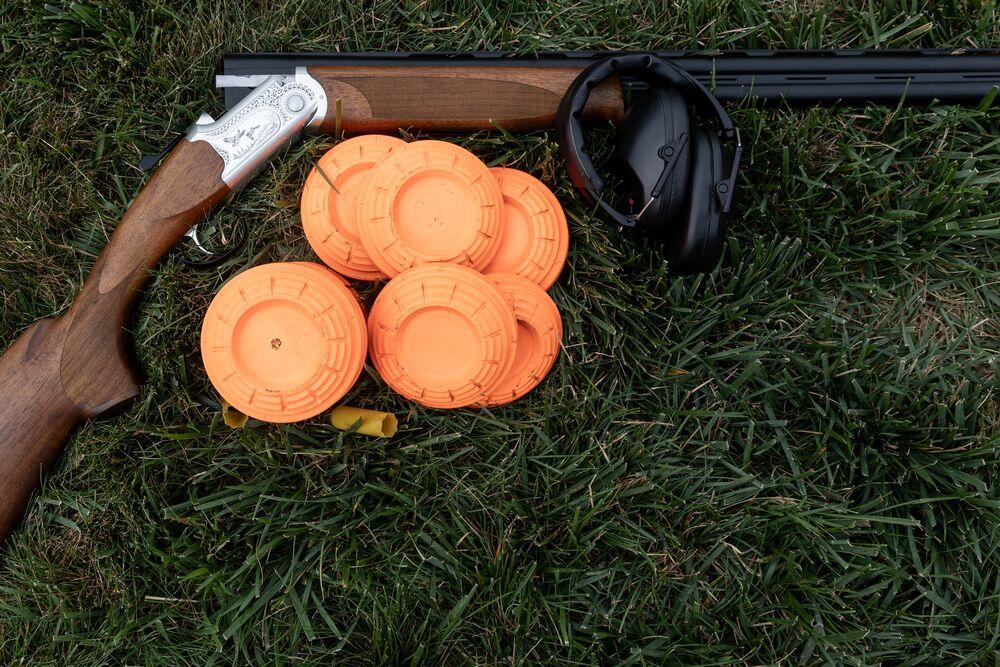
Choosing a gauge depends on what you shoot and how you shoot it. 12-bore remains the all-round favourite for clays and game, while 20-bore offers a lighter carry for long days in the field.
What gauge actually means
Gauge is a measure of the bore. In simple terms, a 12-bore barrel is wider than a 20-bore, so it throws a larger payload of shot for a given cartridge length. That extra shot can help on longer sporting targets and high driven birds, but it also means more recoil and, usually, a heavier gun. There is no single “best” gauge — only the one that fits your shooting, your physique and the days you actually spend in the field.
At McCloys we see the same questions every week: should I stay with 12-bore, step down to 20, or look at 28-bore and .410 for a youngster or a specialist day? The honest answer starts with how often you shoot, how far you walk, and whether the gun will live on a clay ground, a pheasant drive, or both.
12-bore: the all-rounder
If you want one shotgun that will cover a Saturday sporting layout, a walked-up day and a winter driven shoot, 12-bore is still the default. Cartridge choice is enormous, from light 24-gram clay loads to heavier game cartridges, and every ground in Ireland and the UK is set up around it. Recoil is manageable in a well-fitted gun, especially with modern steel-proofed barrels and sensible loads.
Browse our shotgun range in Toomebridge and you will find 12-bores in over-and-under, side-by-side and semi-automatic. Over-and-unders dominate clays and most game days; a classic side-by-side still has a place on walked-up and rough shooting. Semi-autos can take the sting out of high-volume clay practice, provided they are kept clean.
When 12-bore is the right call
- You shoot clays regularly and want the widest cartridge choice.
- You take high driven pheasant or longer sporting targets where pattern density matters.
- You want one gun that friends, family and visiting Guns can pick up without fuss.
- You already have a fitted 12-bore and simply need the right cartridges and chokes.
20-bore: lighter in the hand
A good 20-bore is not a “ladies’ gun” or a compromise. It is a lighter, quicker gun that many experienced shots prefer for long walked-up days, woodcock, grouse and late-season pheasant when you are covering ground. Recoil is typically milder, which helps if you are shooting a big bag of clays or you are recoil-sensitive. Modern 20-bore cartridges have closed much of the performance gap that used to exist versus 12-bore.
The trade-off is cartridge availability on some remote grounds, and a slightly smaller pattern if you choose very light loads. Gun fit still matters more than gauge: a badly fitted 20-bore will miss more birds than a well-fitted 12. Come into the shop, mount a few guns, and see how they sit in the shoulder. Our team would rather you handle three guns than buy the first one that looks right online.
28-bore and .410
Smaller gauges have a following for a reason. A 28-bore can be a joy on walked-up days and for younger or slighter shots who still want a “proper” game gun. The .410 remains a teaching tool and a specialist gun — excellent for close vermin work and for building discipline, less forgiving on long sporting birds. If you are buying for a young shot, think about stock length, weight and whether the gun can grow with them, not just the gauge stamped on the barrels.
Clays, game and mixed use
Clay shooting rewards a gun you can mount consistently, hour after hour. Many sporting shots stay with 12-bore because layouts are designed around it and because light clay loads keep recoil civilised. Game shooting adds walking, weather and the need to carry the gun comfortably between drives. That is often where a 20-bore earns its keep.
If you do both, you do not necessarily need two guns. A 12-bore with sensible cartridges — lighter loads for practice, a slightly heavier game load for the field — will cover most McCloys customers. If you shoot 200 clays a week and a handful of game days a year, buy for the clays. If you live for walked-up days and only visit the ground to keep the eye in, a 20-bore may be the better daily companion.
Fit, recoil and the gun in your hands
Gauge is only one decision. Cast, drop, length of pull and balance decide whether you see the bird or fight the stock. Recoil is a mix of gun weight, stock fit, cartridge load and how tightly you mount. A light 12-bore with heavy game cartridges can punish you more than a heavier gun with a modest clay load. That is why we encourage people to talk through what they shoot before they spend.
Proof, choke and steel shot also sit in the same conversation. Many grounds and estates now expect steel. Not every older gun is suited to it. If you are unsure, bring the gun in. We would rather check it than see a customer struggle with the wrong load or the wrong choke on a Saturday morning.
Visit McCloys before you decide
There is no substitute for shouldering guns in person. At our Toomebridge store you can compare 12-bore and 20-bore side by side, talk cartridge choice, and leave with kit that matches the day you actually have — not the day in a brochure. Call +44 (0) 28 7965 0641 or email info@mccloys.com if you want advice before you travel. Next-day delivery is available on selected products if you already know the gun you need.
Whether you are stepping up from an air rifle, replacing a well-worn game gun, or adding a clay gun to the cabinet, start with gauge, then fit, then the shooting you will do this season. The best gauge shotgun is the one you mount without thinking and shoot without flinching.