
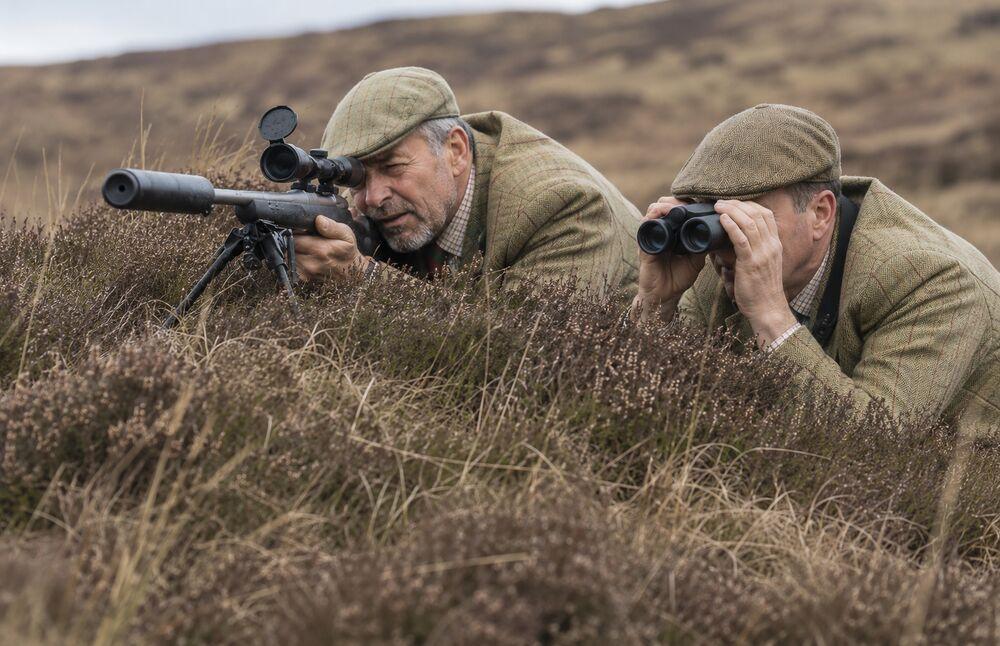
From rifle scopes to binoculars and night vision, the optics market moves quickly. We round up the latest glass worth considering for hunting and clay shooting this season.
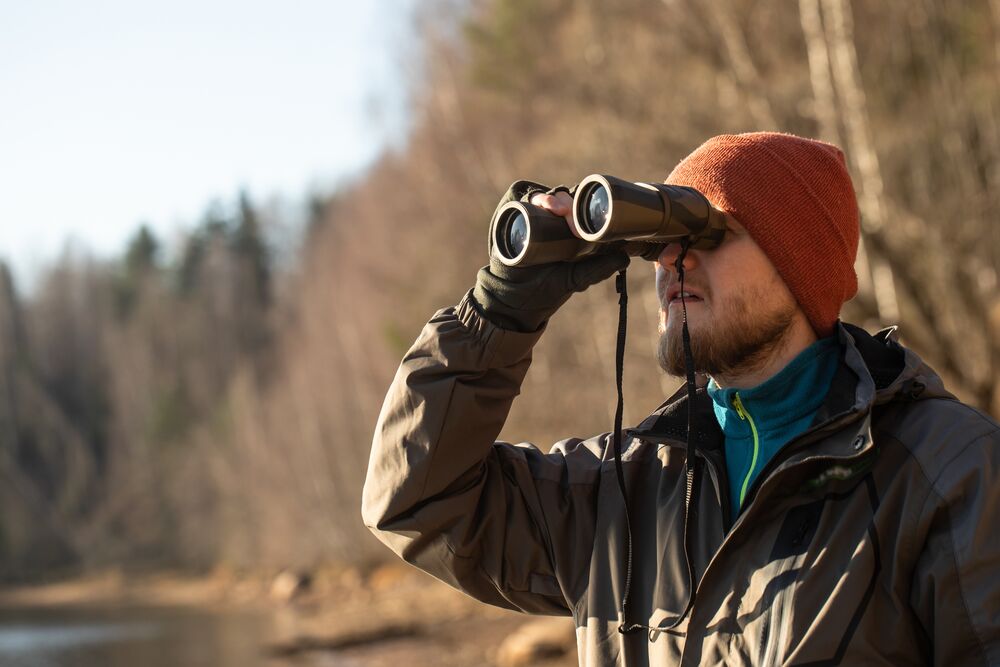
Why glass matters more than you think
A rifle that shoots half-inch groups on the bench is wasted if the scope will not hold zero, the binoculars fog on a wet hill, or you cannot pick a beast in last light. Optics are not an accessory in the way a sling is an accessory. They are how you find, identify and place the shot. At McCloys we spend as much time matching glass to the job as we do matching the rifle itself.
Our optics and accessories department covers rifle scopes, binoculars, spotting scopes and night vision. Brands and models change, but the questions do not: How far do you shoot? In what light? Off sticks, a bipod or from a high seat? Do you need to identify deer legally and cleanly, or are you mainly keeping foxes off lambing fields after dark?
Rifle scopes: what to look at this season
Rifle scopes still do the heavy lifting for most stalking and vermin work. Variable magnification in the 2–12x or 3–15x region covers the majority of Irish and UK shooting. Very high magnification looks impressive on a product page and is a hindrance in woodland, in the rain, and when a beast steps out at 80 yards. Light transmission, a usable reticle and turrets you can trust matter more than a number on the eyepiece.
Coatings, tube diameter and zero retention separate a scope you forget about from one you fight. A 30mm tube is the modern standard for a reason: it generally gives more elevation travel and a brighter image than older one-inch tubes, without the bulk of some 34mm tactical pieces. If you shoot from a vehicle or a seat in poor light, prioritise a decent objective and a clean exit pupil over extra magnification you will never use.
Mounts before magnification
No scope is better than the rings and bases under it. Cheap mounts are one of the most common reasons a rifle “won’t group”. If you are upgrading glass, budget for quality mounts at the same time. We would rather sell a slightly simpler scope on solid mounts than a premium optic sitting on hardware that shifts after the first dozen shots.
Binoculars for the hill and the peg
Good binoculars save your neck and your shot. 8x42 remains the all-round specification for woodland and mixed country; 10x42 gives a bit more reach on open ground if you can hold them steady. Weight, focus speed and waterproofing decide whether they stay round your neck all day or spend the afternoon in a pocket. Compact binoculars have their place in a game bag; full-size 42mm glass is still what we recommend if identification is the job.
This season we are seeing more customers pair a stalking rifle with binoculars they can actually use one-handed, then add a spotting scope only if they sit for long periods or need to glass distant ground. You do not need every piece of kit on day one. Start with binoculars you will carry, then add a scope and a spotter that match the ranges you shoot.
Night vision and thermal
Night vision and thermal have moved from specialist kit to everyday vermin control for many farms. Digital night vision is now practical on a rifle; thermal is unmatched for finding heat in cover and for scanning a field before you stalk in. Hikmicro and similar brands have made capable units far more accessible than they were a few years ago. The legal and ethical side has not changed: know your target, know what is behind it, and do not rely on a screen to replace fieldcraft.
If you are new to after-dark shooting, talk to us about mounting, zeroing and what the unit actually does in Irish weather. Condensation, battery life and a simple menu matter more than a specification sheet. We would rather you handle a unit in the shop, ask the awkward questions, and leave with something you will use than chase the highest resolution on a forum.
A practical way to choose
- Stalking in woodland and on mixed farms: a moderate variable scope, 8x42 binoculars, solid mounts.
- Open hill and longer shots: a bit more magnification, a spotting scope if you glass for long periods, a bipod you trust.
- Vermin after dark: digital night vision or thermal matched to the rifle and the ranges on your ground.
- Clay and game days: binoculars for picking birds and watching retrieves; leave the rifle glass at home.
Try before you spend
Optics are personal. Eye relief, focus wheel direction and how a binocular sits in your hands only make sense when you pick them up. Visit McCloys in Toomebridge, bring the rifle you intend to mount, and we will talk through rings, height and whether you need to change bases. Call +44 (0) 28 7965 0641 or email info@mccloys.com if you want us to have options ready.
The latest glass is only worth considering if it solves a problem you actually have. Clear image, reliable zero, and kit you will carry: that is the round-up that still matters this season.