
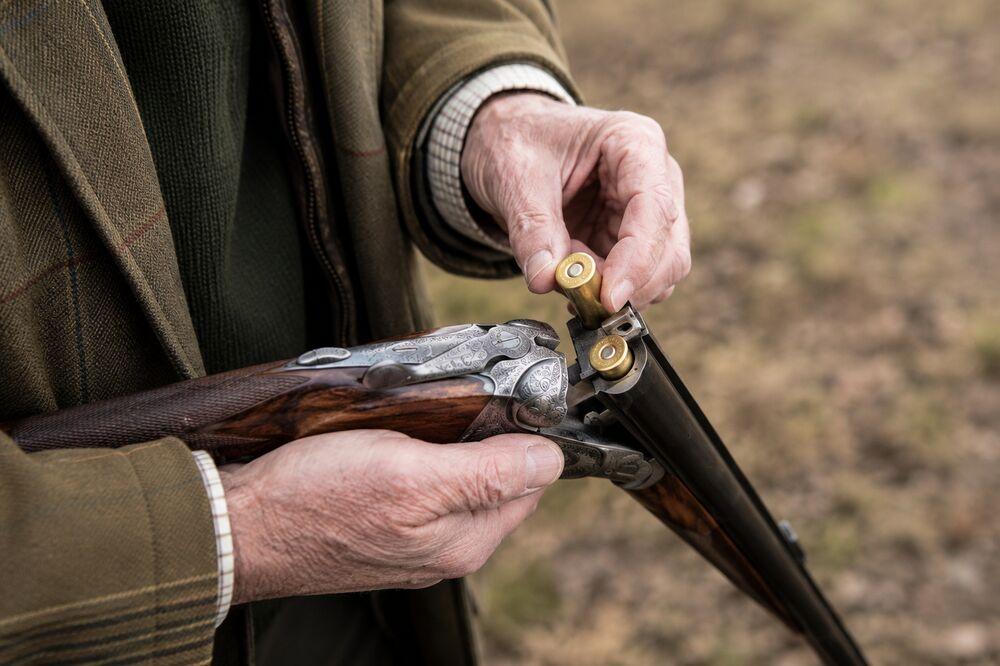
Looking after your shotgun or rifle properly keeps it accurate, safe and ready for the field. Start with a thorough clean after every outing, paying close attention to the barrel, action and moving parts.
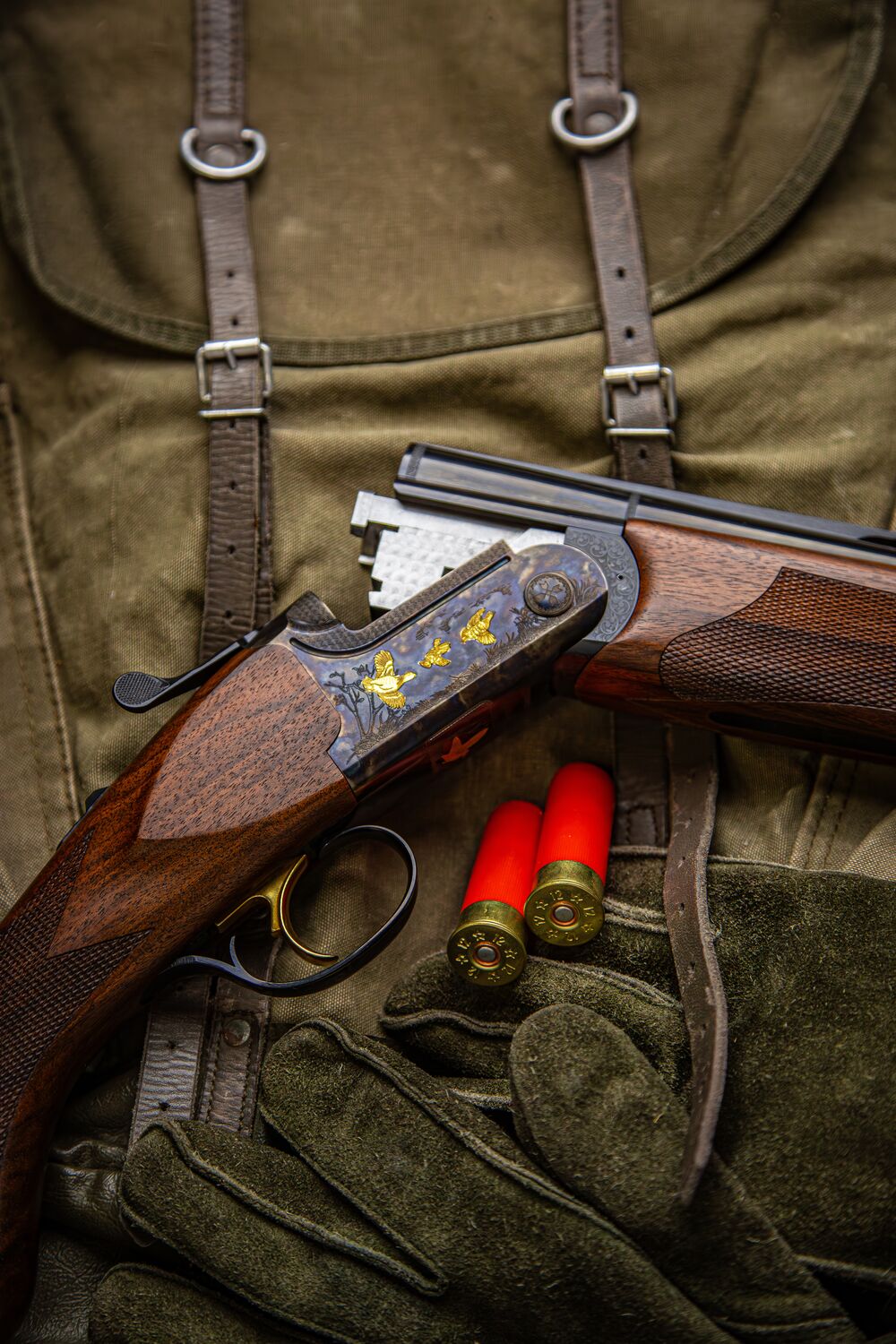
Clean when you get in, not “at the weekend”
Irish weather is hard on firearms. Rain, peat, powder residue and the odd bit of mud in the action will do more damage in a week of neglect than a season of honest use. The habit that matters is simple: unload, prove the gun clear, then clean before it goes back in the cabinet. A five-minute wipe and a proper barrel clean beat a heroic strip-down once a year.
You do not need a workshop. You need a mat, the right rods and jags, a solvent that suits your barrels, a light oil, and the discipline to do it every time. Our gun care range covers the basics for shotguns and rifles. If you are unsure what is safe on a particular finish or choke, ask before you soak anything.
Shotguns: barrels, action and chokes
After clays or game, run a patch through each barrel until it comes out clean. Plastic wad residue and powder fouling build up faster than most people think, especially with high-volume sporting days. Pay attention to the forcing cones and just in front of the chokes. Remove chokes on a schedule, clean the threads, and put a hint of choke oil back on so they do not seize. A stuck choke is a gunsmith’s job you can usually avoid.
The action wants less oil than people apply. A thin film on bearing surfaces is enough; pools of oil attract grit and migrate into wood. Wipe the exterior, including under the forend, and dry the gun if you have been out in rain. Water under a badly fitted pad or in a cracked stock is how you discover problems a year later. Semi-automatics need extra attention to the gas system or inertia parts — a dirty auto is an unreliable auto.
A simple shotgun routine
- Prove the gun clear. No exceptions.
- Clean barrels from the breech where the gun allows it; never force a dirty rod.
- Check chokes, ejectors or extractor, and that the gun closes and locks as it should.
- Wipe metal, dry wood, light oil only where it is needed.
- Store in a dry cabinet, not in a damp slip.
Rifles: accuracy lives in the barrel
A stalking rifle should be cleaned often enough to stay accurate, not so aggressively that you wear the throat for no reason. Copper and powder fouling affect groups. After a range session or a trip, clean until patches improve, then protect the bore. Check that screws on mounts and stocks are still at the correct torque. More “mystery zero shifts” come from loose mounts and a stock screw that has backed off than from a barrel that “went off”.
Look after the mounts as part of the rifle. A scope that rattles is not a scope problem. If you shoot in the wet, dry the rifle before it goes away, and do not leave a wet moderator trapped against the muzzle for a week. Moderators need their own drying routine or they will corrode from the inside.
Storage is part of maintenance
A gun that is legally stored can still be badly stored. A damp cupboard, a fabric slip left on the gun, and a cabinet against a cold outside wall are classic ways to get rust. Use a sound gun safe, keep it dry, and do not park firearms in slips inside the cabinet. Slips are for transport. If a gun comes home wet, dry it first. If you are buying a first cabinet, we will talk capacity, siting and the reality of Northern Ireland storage — not just the model on the shelf.
Woodwork likes stable humidity. Extreme central heating and a soaking in the field are opposite problems with the same result: movement, finish failure and, in bad cases, a shift in point of impact on a rifle. A light stock oil on suitable finishes, kept off metal and chequering you want to stay sharp, is enough for most guns.
When to see a gunsmith
Home maintenance is not a substitute for inspection. Cracks in a stock, a shotgun that does not lock up as it used to, ejectors that have gone lazy, or a rifle that suddenly will not group all deserve a professional look. Book that before the season, not the night before a driven day. Small habits — cleaning, dry storage, the odd service — are what keep a gun accurate, safe and ready.
Call McCloys on +44 (0) 28 7965 0641 or email info@mccloys.com if you need kit, a second opinion, or a pointer toward servicing. Looking after the gun is part of shooting it well.