
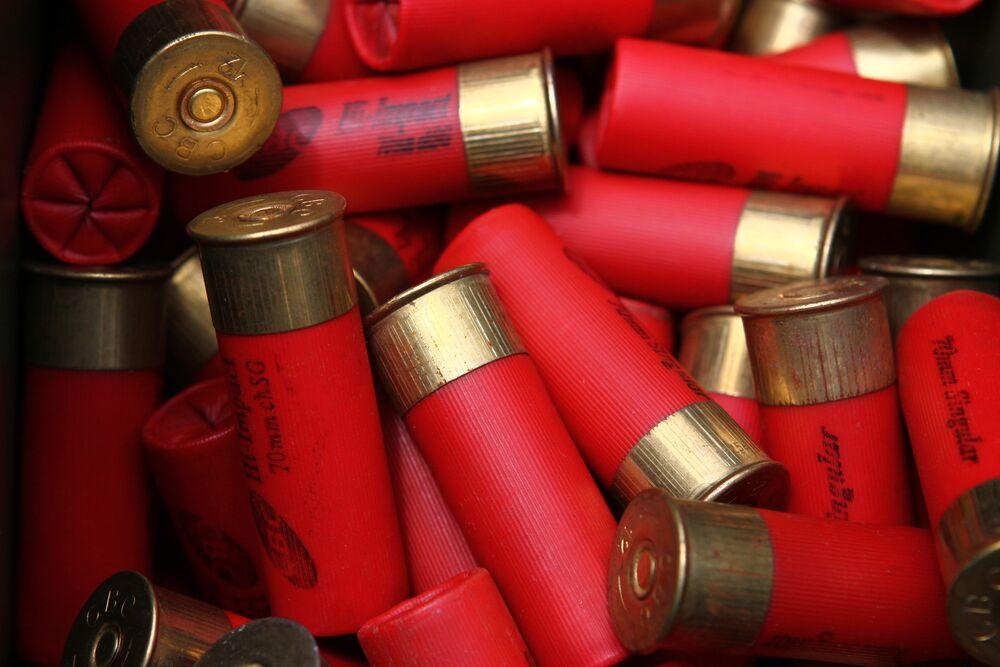
Load, shot size and velocity all change how a gun patterns. For clays you may want a consistent 12-bore sporting load; for game, pellet size and fibre or plastic wad come into the decision.

There is no universal cartridge
The box that won you a round of sporting last month may be the wrong tool for high pheasant, woodcock or a steel-only ground. Cartridge choice is a mix of gauge, shot size, pellet material, wad type, velocity and how your particular gun patterns. That last point is the one people skip. Two 12-bores of the same make can print different patterns with the same box. If you can, pattern the loads you intend to use. If you cannot, start with a reputable cartridge and a choke that matches the shooting, then adjust.
McCloys carries factory ammunition and reloading components, including leading brands such as Fiocchi. Bring the gun if you are unsure. We would rather talk choke and load for ten minutes than send you out with a box that does not suit the barrels.
Clay loads: consistency first
Clay shooting rewards a cartridge you can shoot all day without developing a flinch. Light to mid-weight 12-bore sporting loads — often in the 24 to 28 gram region, with a shot size suited to the presentation — are the usual starting point. Plastic wads are still common on many grounds; some clubs specify fibre. Check before you buy a slab for a registered shoot. Velocity numbers on the box are only useful if the gun is comfortable and the pattern is there. Faster is not automatically better.
If you shoot a 20-bore on the layout, do not simply copy your friend’s 12-bore recipe. Use a 20-bore load designed for clays, and be honest about the longer targets. A smaller gauge can smash midis and close birds all day and still feel under-gunned on a long crosser if the pattern is thin. Technique still does more than a hotter cartridge.
Questions to answer before you buy
- Is the ground lead, steel, or a mix — and what wad does it allow?
- Are you practising, competing, or teaching a new shot?
- Does the gun pattern this load, or have you only liked the recoil?
- Can you shoot a hundred of them without a sore shoulder?
Game cartridges: pellet, wad and the bird
Game shooting adds ethics and, increasingly, regulation on shot type. Pellet size should match the quarry and the range you actually shoot, not the range you talk about in the pub. Too small and you wound; too large and you thin the pattern. Fibre wads are expected in many places for environmental reasons. Steel and other alternatives are now part of the conversation on plenty of estates and grounds. Not every older gun is suited to steel. Proof marks, choke and barrel condition all matter. If the gun is a family side-by-side and you are not sure, do not guess.
Walked-up days often need a slightly different mindset from a high driven peg: closer birds, more movement, more chance of a second shot at awkward angles. A comfortable load you can fire accurately beats a “high bird” cartridge you flinch with. Keep spare cartridges dry. A soaked box in the bottom of a bag is a poor surprise at the last drive.
Reloading and special requirements
Some shots reload for cost, for a specific recipe, or because they shoot volume. Reloading is not a shortcut around knowing your gun. It demands consistent components, a sound process and respect for pressure. If you are starting out, talk to us about components and what your barrels can take. Factory ammunition remains the right choice for many people — consistent, convenient and easier to match to a ground’s rules.
Always follow the law on acquisition, storage and use of ammunition. If you are travelling between Northern Ireland and elsewhere, check what you are allowed to take. We can discuss stock and calibres in store; we cannot advise you to stretch a rule.
Match the load to the gun
Choke and cartridge work together. A tight choke and a large pellet load is not a magic long-range solution; it is a way to miss with a pretty pattern in the middle. Start more open than you think for clays, and let the bird and the break tell you the truth. For game, be honest about distance. If a bird is too far, the answer is not a hotter box. It is to wait.
Visit McCloys in Toomebridge, call +44 (0) 28 7965 0641, or email info@mccloys.com. Tell us the gun, the gauge and the day. We will help you choose a load that shoots comfortably, patterns usefully, and stays on the right side of the ground’s rules.