
A new season on the sporting layout is the time to tidy technique: gun fit, footwork and a smooth mount matter more than chasing the latest cartridge. Start with targets you know, then stretch the presentation.
Reset before you add speed
Winter rust shows up as a poked gun, locked knees and a mount that starts when the bird is already going. The cure is not a hotter cartridge or a tighter choke. It is slower, cleaner shooting on targets you can read. Book a round on presentations you understand — a simple going-away, a gentle crosser, a quartering bird — and make the move the same every time. When that is back, add the awkward stand.
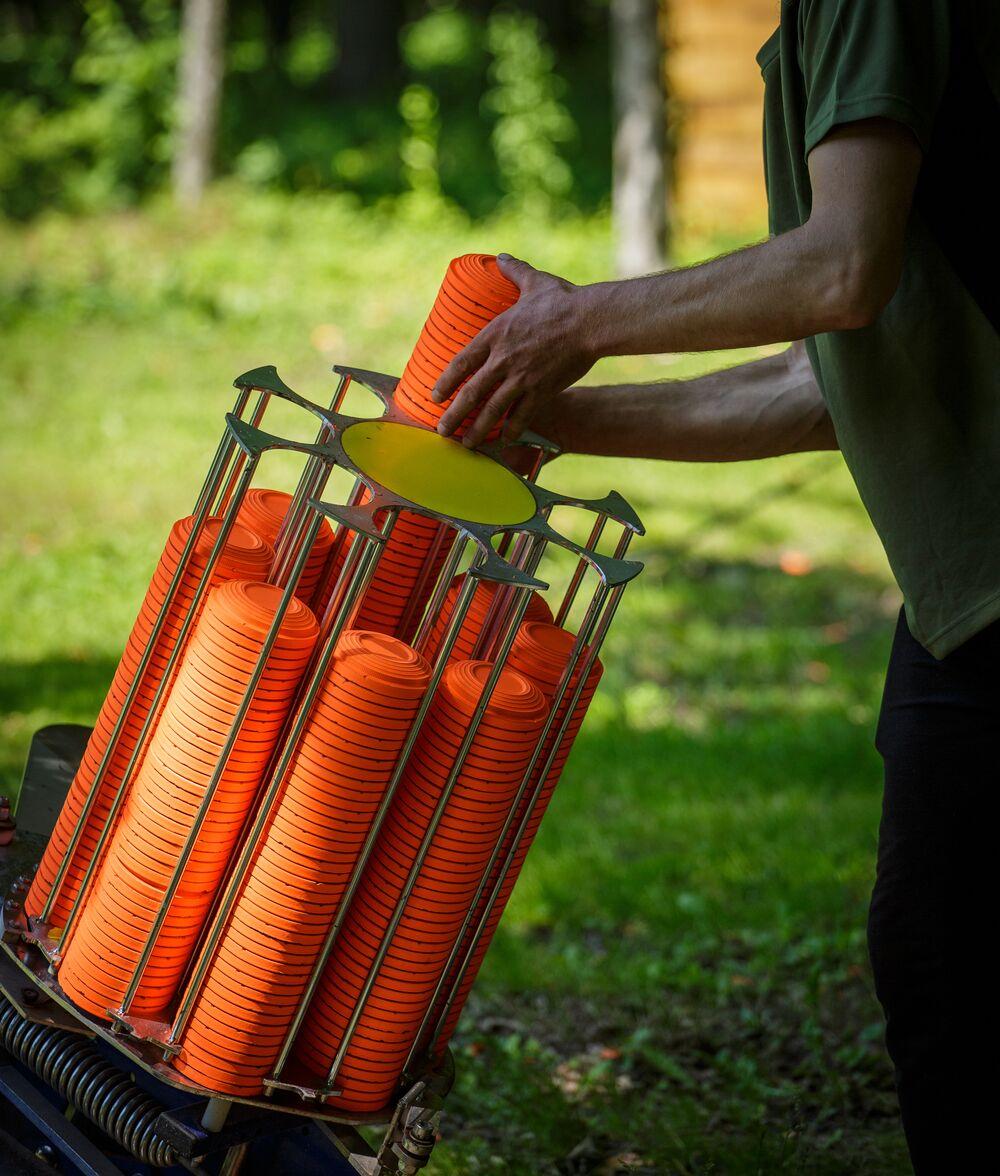
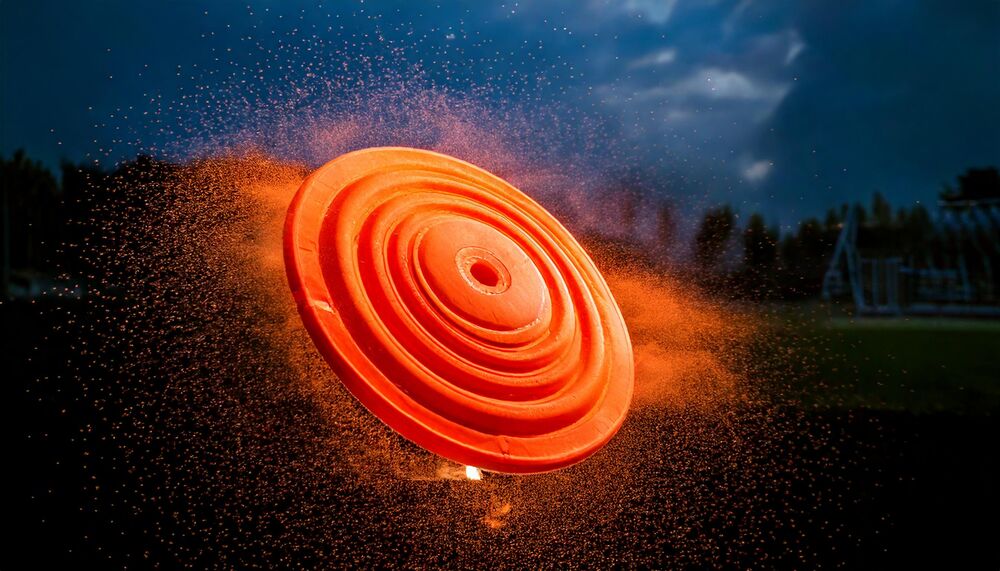
McCloys supplies Eurotarget clays and the kit grounds use across Ireland. If you throw your own practice, use a consistent target. A clay that chips or dusts teaches you nothing except frustration.
Gun fit still comes first
If the stock is wrong, every other tip is a workaround. Length of pull, comb height and cast decide whether you see the bird or a lot of rib. A new season is the moment to notice a bruise, a consistent miss over the top, or a gun that only shoots well when you crawl the stock. Have someone watch you mount. Better still, come into Toomebridge and talk it through with a gun in your shoulder. Buying a different cartridge will not fix a stock that is too long.
Mount to the bird, not to a pretty gun-down pose you saw online. Feet, hips and the gun should arrive together. A rushed mount is why people shoot behind crossers and over the top of dropping birds. Slow the mount down in practice until it is boring. Boring is consistent.
A simple pre-season checklist
- Hearing and eye protection that you will wear for the whole round.
- A gun that is clean, chokes that are in, and a load you can shoot all day.
- Boots with grip — clay grounds are as slippery as any field.
- One change at a time: do not alter cartridge, choke and stance on the same stand.
See the bird, then move
Most misses are decided before the trigger. Look for the clay early, pick a line, and move the gun with the target rather than snatching at it. Hold points matter. Too high and you blot the bird; too low and you chase. On sporting layouts the trap is trying to catch you with angle and speed. Your job is to make the same move anyway. That is why good shots look quiet.
Second barrels are part of sporting. Plan them. If you miss, the gun should already be moving to where the bird will be, not frozen on the first attempt. On trap and skeet the discipline is even stricter: same hold, same look, same break point. Use the off-season to groove that, not to invent a new style every week.
Practice with a purpose
A hundred random clays is exercise. Twenty birds with a plan is practice. Pick a weakness — left-to-right crossers, rabbits, battues — and stay there until the move improves. Then stop. Fatigue teaches bad mounts. If you coach others, keep the language simple: feet, look, move, trust the lead. Lead that is measured in “felt” pictures beats lead that is counted in metres while the bird is in the air.
Stock up on clays, cartridges and hearing protection before the weekend rush. Grounds run out of the popular boxes at the worst moment. If you are running a club or a charity shoot, talk to us early about Eurotarget quantities and delivery.
Enjoy the season
Clay shooting is supposed to be a day out as well as a score. Arrive with a gun that fits, a load you trust, and the patience to shoot the bird you are given. Visit McCloys for clays and kit, call +44 (0) 28 7965 0641, or email info@mccloys.com. See the bird early, move with it, and let the gun do the work you practised.